
For the softest skin on earth
You notice everything.
So does their skin.
From the first morning cuddle to the last sleepy yawn — every moment your baby is dressed, their skin is quietly absorbing the world around them. Make sure that world is pure.

The first thing they feel
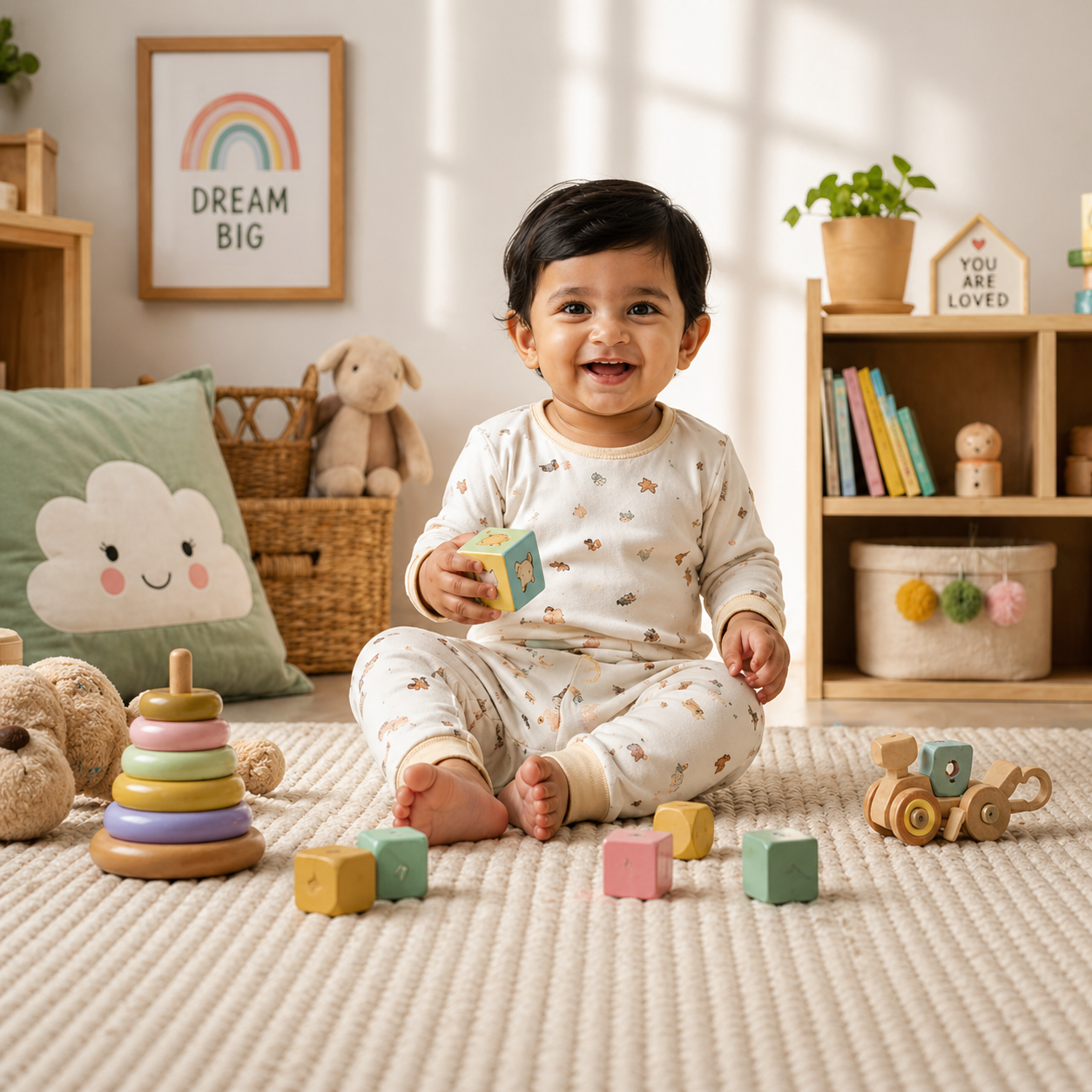
Before they see your face,they feel what they're wearing
A newborn's skin is not just delicate — it is a living, breathing organ that absorbs nearly everything it touches. Unlike adult skin, a baby's skin barrier is still forming in those first months of life. What goes on their body goes, in part, into their body.
Conventional baby clothes are often treated with chemicals you'd never knowingly choose to put near your child — wrinkle-resistant finishes, synthetic dyes, flame retardants, waterproofing agents. All touching the most vulnerable skin in the world, all day, every day.
The invisible moments
The hours you don't think about —are the ones that matter most
While they sleep
8–16 hours a day. Skin warm, pores open, body temperature rising. This is when fabric makes its most intimate contact — and when chemical absorption from textiles is at its highest.
When they sweat
Sweat changes the chemistry of everything. Slightly acidic, it causes synthetic dyes and metal compounds to leach from fabric directly onto skin. Babies sweat proportionally more than adults.
As their hormones form
The first years of life are a critical window for hormonal development. Bisphenols found in polyester garments mimic oestrogen and can interfere with the very systems still learning to regulate themselves.
During skin-to-skin
That sacred contact between parent and child. Your baby's cheek on your chest — but also on the edge of their collar, their sleeve, their swaddle. Every thread is part of that embrace.
On sensitive skin
Eczema, rashes, and contact dermatitis in infants are increasingly common — and disperse azo dyes in synthetic fabrics are among the leading identified causes. Organic cotton carries none of these.
Every single day
It's not one exposure. It's cumulative. Day after day, wash after wash, fabric pressed against the softest skin on earth. The choice you make today is one you make again, every morning.
#1
Rovira, J., Souza, M.C.O., Nadal, M., & Domingo, J.L. (2025) Human health risks from textile chemicals: a critical review of recent evidence (2019–2025)
#2
Chemical Safety of Clothing Articles, Textiles and Footwear: Carcinogenic, Mutagenic, Reprotoxic Substances, Endocrine Disruptors and Skin Sensitizers
#3
Trela-Kobędza, E., & Ajduk, A. (2025)The impact of bisphenol A and its analogs on female reproductive health
#4
Ryu, D.Y., Pang, W.K., Adegoke, E.O., et al. (2023)Bisphenol-A disturbs hormonal levels and testis mitochondrial activity, reducing male fertility
#5
Bioiniz, S. et al. (2021)The Future of Functional Clothing for an Improved Skin and Textile Microbiome Relationship
#6
Xiong, M., Cui, D., Cheng, Y., et al. (2025)Heavy Metals in Infant Clothing: Assessing Dermal Exposure Risks and Pathways for Sustainable Textile Policies
#7
Reta, B.A., Babu, K.M., & Tesfaye, T. (2024)Healthcare and Hygiene Textile Materials Treated with Natural Antimicrobial Bioactive Agents
#8
Pereira Lobato et al. / MDPI (2025)From Fabric to Finish: The Cytotoxic Impact of Textile Chemicals on Human Health
@Luka Chuppi
Shop By Age
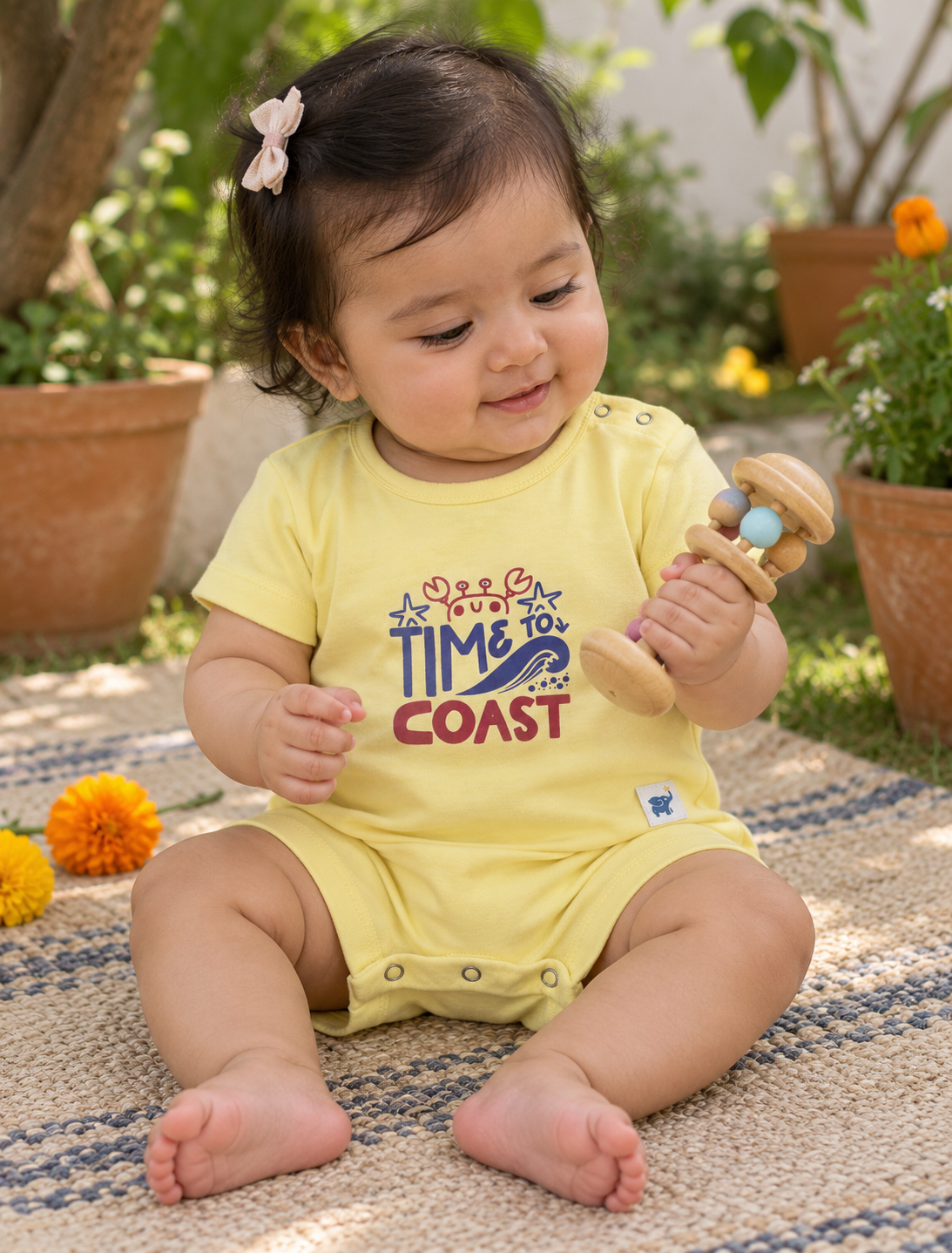
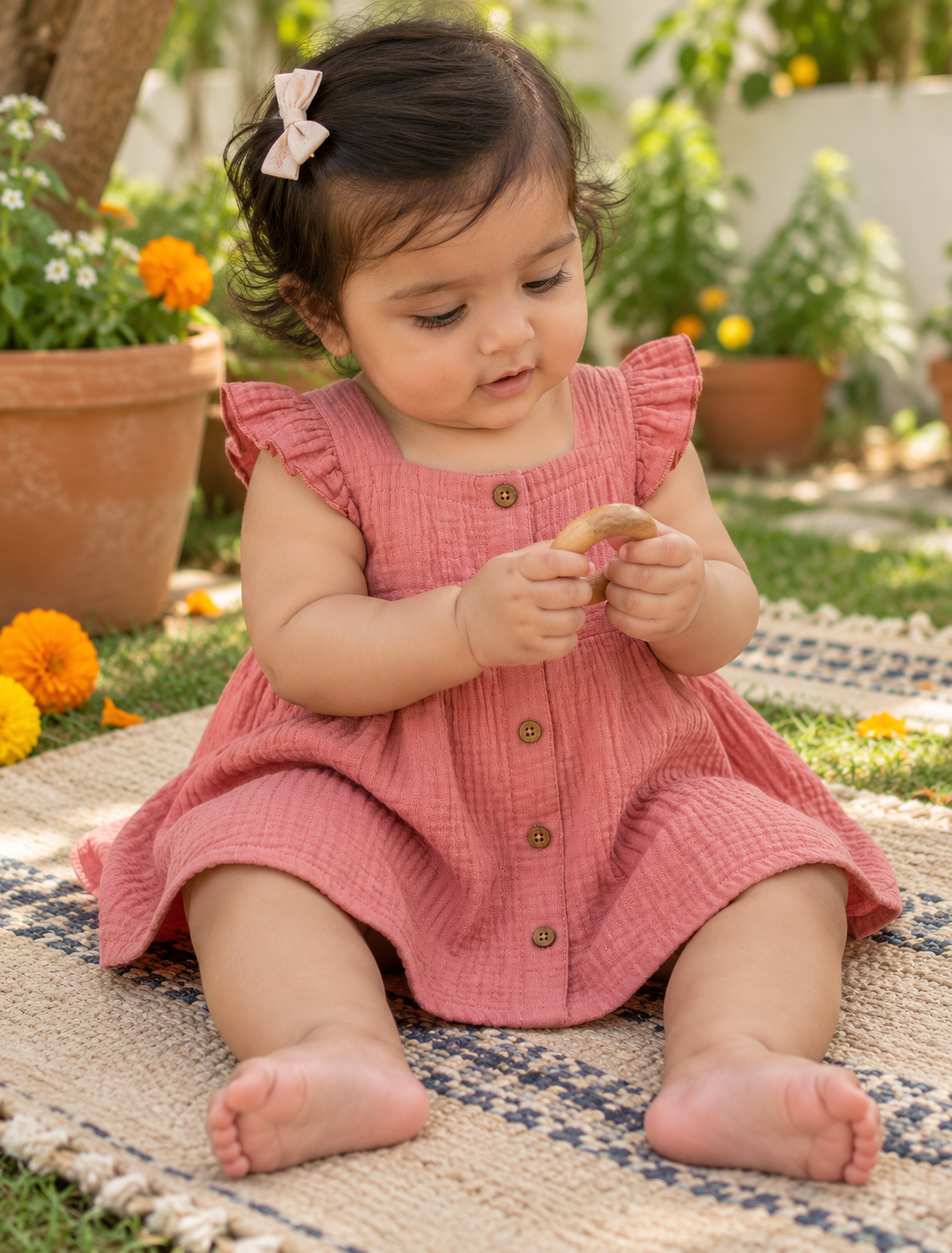
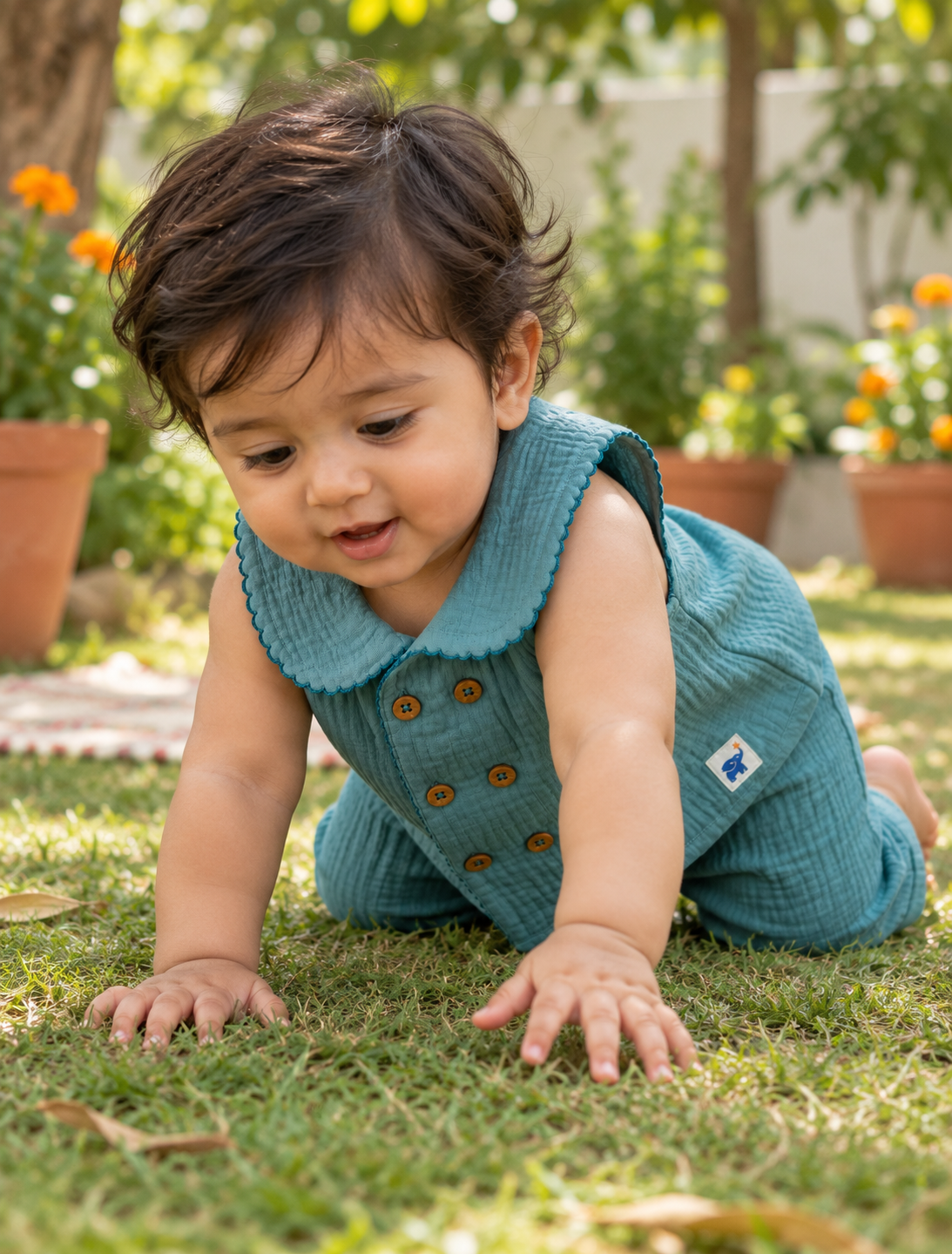
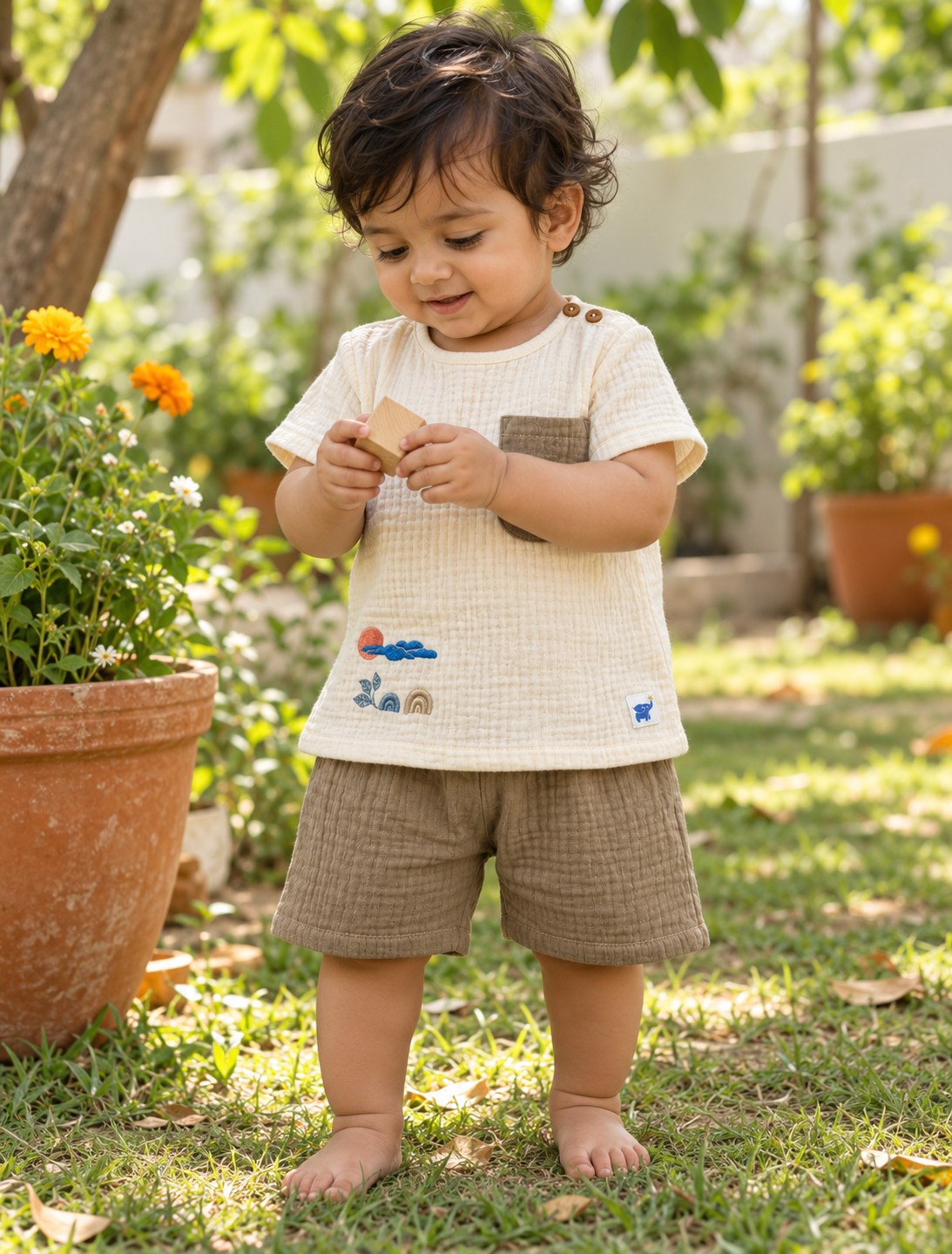
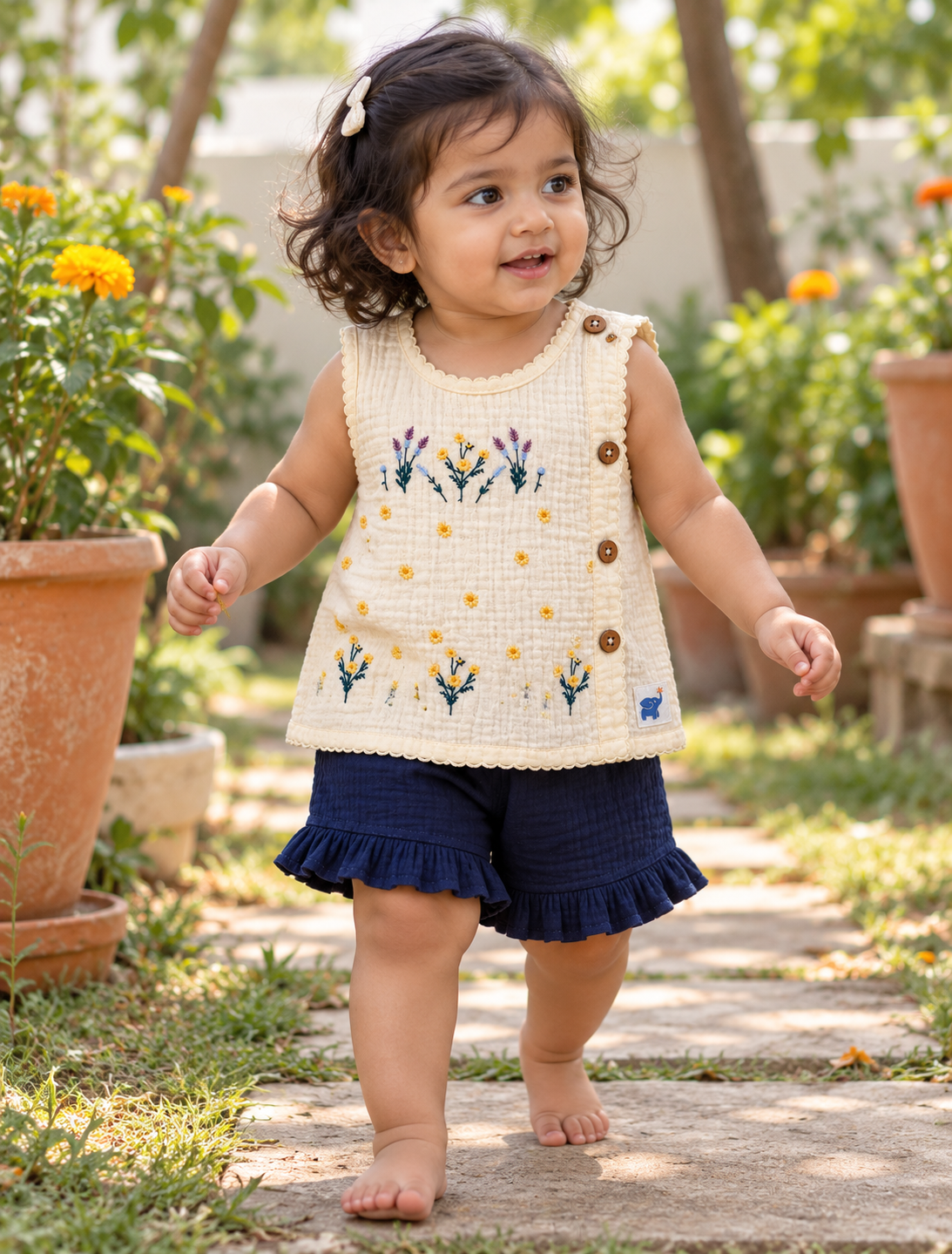
No Polyester - No Shortcuts
Soft - Safe - Truly Clean
The quiet reassurance
Cotton has been chosen by medicine for a reason
Medical textile researchers consistently select cotton for direct skin contact in hospitals — for wound dressings, surgical covers, infant care products. Not because it's traditional. Because in study after study, it outperforms every synthetic in safety, breathability, and gentleness on skin.
We think your baby deserves the same standard as a patient in the best hospital in the world. Because to you, they are the most important person in it.

Truly Safe Fabrics
100% Organic Cotton, Safe Dyes, Nothing Hidden

No Hidden Blends
Free From Synthetics, Made With Pure Materials

Playful by Design
Safe Clothing That Is Cute, Timeless And Loved

Care, You Can Trust
Every Detail Crafted For Your Baby’s Wellbeing
Hello, Welcome to Luka Chuppi. How Can We Help You?
